

When deciding between mobile carriers in Canada, two standout names consistently spark debate: Koodo and Public Mobile. Both brands are subsidiaries of Telus, yet they operate differently and cater to unique consumer needs. Choosing between the two is not just about comparing prices; it involves evaluating network performance, customer service, plan flexibility, long-term value, and additional perks. Whether you are a student, a professional, or someone seeking a family plan, understanding how Koodo and Public Mobile differ will help you make the right decision for your mobile needs.
Understanding the Parent Company: Telus
Koodo and Public Mobile are owned by Telus, one of Canada’s leading telecommunications companies. Telus has a robust infrastructure, covering most urban and rural areas across the country. The fact that both Koodo and Public Mobile share this network means that customers of either provider benefit from reliable nationwide coverage. However, their operational models differ significantly, leading to varying customer experiences.
Koodo Mobile: Overview and Features
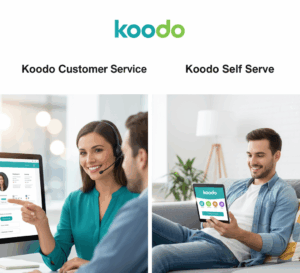
Koodo is a mid-tier carrier that offers postpaid and prepaid plans. It is known for combining affordability with excellent customer service and support. Koodo offers in-store assistance, online support, and access to a self-serve portal that allows customers to manage their plans, payments, and devices. The carrier is particularly appealing to customers who value flexibility and support without committing to a traditional long-term contract.
One of Koodo’s unique selling points is its Tab system, which allows customers to finance their devices over time while still maintaining some level of control over their monthly payments. This system helps users get the latest smartphones without paying the full price upfront. Koodo also frequently includes promotions such as bonus data or discounts on popular devices, making it attractive for people looking for the best value without sacrificing quality.
Public Mobile: Overview and Features
Public Mobile operates exclusively online and is designed for budget-conscious users who prefer a no-frills, prepaid approach. It does not have physical stores, and customer service is handled through online forums and community support. This model allows Public Mobile to keep its operational costs low, which translates into competitive pricing for consumers.
The carrier’s plans are straightforward, affordable, and customizable. Users can choose from a variety of talk, text, and data options, and because all plans are prepaid, there are no credit checks or contracts involved. Public Mobile often runs limited-time offers that include bonuses such as extra data or reduced rates, particularly attractive to students and new immigrants.
Network Performance and Coverage
Both Koodo and Public Mobile use the same Telus network, which is one of the fastest and most reliable in Canada. However, there is a distinction in how they prioritize traffic. Koodo, being a higher-tier brand, may receive higher priority during network congestion, while Public Mobile could face slightly slower speeds during peak times. In day-to-day use, though, most customers will not notice a significant difference unless they live in a heavily congested area or rely on high-speed data for business or streaming purposes.
Plan Options and Pricing
Plan pricing is one of the most important factors when choosing a carrier. Koodo offers a broad range of plans including pay-per-use, monthly prepaid, and postpaid plans. Their postpaid plans typically include nationwide calling, unlimited texting, and data with rollover options. Monthly prices can range from around $35 for basic plans to $65 or more for plans with higher data limits.
Public Mobile offers simpler, more affordable prepaid plans with options starting as low as $15 per month. These low-cost plans are ideal for people who do not use much data or need a backup phone. More feature-rich plans with data included can range from $25 to $50, with occasional promotional pricing that adds extra value.
Customer Support and Service Experience
Customer support is where the two carriers differ most. Koodo has physical retail locations and customer service call centers, offering personal interaction and timely responses. For individuals who value the reassurance of speaking with a representative, Koodo is the clear winner.
Public Mobile relies on self-service and peer-to-peer community support. While this can be effective for tech-savvy users or simple issues, it may not suit customers who prefer traditional support channels. For users comfortable navigating forums and FAQs, Public Mobile’s model is adequate, especially considering the lower prices.
Flexibility and Add-ons
Koodo offers greater flexibility in terms of plan changes and add-ons. Their self-serve portal allows users to adjust their plans, purchase international roaming options, and manage their accounts with ease. Koodo also includes visual voicemail, call display, and long-distance add-ons that make it ideal for users with more dynamic needs.
Public Mobile provides essential add-ons such as U.S. roaming, international minutes, and data boosts. While not as robust as Koodo, the carrier’s add-ons are cost-effective and easy to manage within the online dashboard. Public Mobile also offers loyalty rewards such as discounts for autopay, referring friends, and staying on the network long term.
Data Speeds and Throttling
Data speed can be a deciding factor, especially for users who stream video, play online games, or work remotely. Koodo offers LTE and 5G access with generally higher priority on the Telus network. Users can expect consistent download and upload speeds in most areas.
Public Mobile uses LTE and LTE-lite service. This means that although users are technically on the same infrastructure, their speeds may be capped, and they may experience slower service during periods of high network congestion. Still, for casual use such as web browsing, social media, and occasional streaming, Public Mobile’s speeds are more than sufficient.
Device Availability and Compatibility
Koodo sells a wide variety of devices, from budget models to the latest iPhones and Samsung Galaxies. With the Tab system, customers can spread the cost over time without paying interest. This makes Koodo a better option for those who want to bundle their phone with their service.
Public Mobile does not sell phones directly. Instead, users must bring their own device or purchase an unlocked phone from a third-party seller. This can be ideal for people who already have a phone and want to save money, but it is less convenient for those who prefer one-stop shopping.
| Feature | Koodo | Public Mobile |
|---|---|---|
| Ownership | Owned by Telus | Owned by Telus |
| Plan Type | Prepaid and Postpaid | Prepaid Only |
| Customer Support | Call centers and in-store support | Online community and self-serve |
| Device Financing | Available via Tab system | Not available |
| Data Speed | Full LTE/5G speeds | LTE with speed throttling |
| Pricing | Higher monthly cost | Low-cost plans |
| Network Priority | Higher priority on Telus network | Lower priority during congestion |
| Retail Presence | Physical stores and online | Online only |
| Loyalty Rewards | No dedicated rewards program | Autopay, referral, and loyalty discounts |
| Ideal For | Users needing support and premium features | Budget-conscious and self-reliant users |
Long-Term Value and Rewards
Koodo’s plans tend to offer more value for users who need a comprehensive service package with support, device financing, and premium features. While their plans may cost more monthly, the added convenience and benefits often justify the price.
Public Mobile’s rewards program adds long-term value through discounts and credits. The longer you stay, the more you save. The program includes perks such as autopay discounts, community participation rewards, and loyalty discounts that accumulate over time.
Porting Your Number and Activation
Both carriers make it easy to port your existing phone number, though the process differs slightly. Koodo customers can visit a store or complete the process online with assistance. Public Mobile requires users to handle everything themselves through its website and follow specific steps to activate their SIM and port their number successfully.
Which Carrier is Better for You?
If you are someone who values strong customer support, the option to finance a device, and consistent data performance, Koodo is the better choice. It caters to users who want a full-service experience with in-person or phone support, flexible plan management, and access to newer devices.
On the other hand, if you prioritize affordability, are comfortable managing your account online, and already have a device, Public Mobile is ideal. It is perfect for budget-conscious users, students, and those who do not need high-speed data all the time. The rewards program also makes it attractive for long-term users.
Conclusion
Both Koodo and Public Mobile offer distinct advantages depending on your needs. Koodo delivers a premium experience with better support, flexibility, and data performance. Public Mobile stands out for its unbeatable affordability, simplicity, and rewards. Since both use the same Telus network, your choice should depend more on customer service preferences, budget, and how much you value extras like phone financing and premium data speed.
Before making a decision, consider your data usage habits, budget constraints, and customer service expectations. With either carrier, you will enjoy wide coverage and reliable service, but the overall experience will differ based on the model that suits you best.